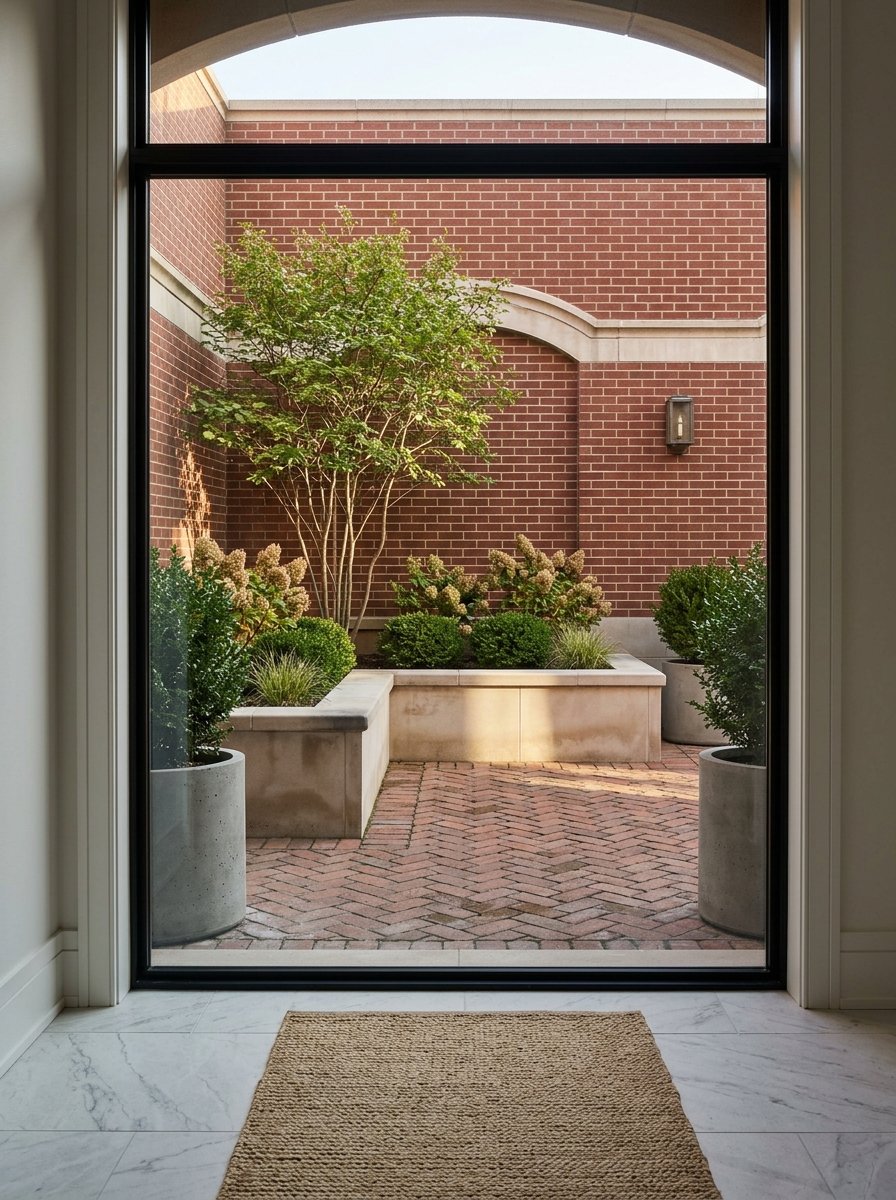
If you are searching in Gold Coast, you may find yourself choosing between two very different ways to live within the same neighborhood. One block might offer a service-rich condo building, while the next features a more house-like townhome streetscape. That can make the decision feel less about square footage alone and more about how you want to live day to day. This guide will help you compare the real tradeoffs, understand what the ownership documents actually mean, and narrow in on the best fit for your lifestyle. Let’s dive in.
Why Gold Coast Makes This Choice Unique
Gold Coast gives you a rare mix of housing styles in one compact, walkable neighborhood. According to Choose Chicago’s Gold Coast neighborhood guide, the area is known for its proximity to Lake Michigan, historic architecture, boutiques, restaurants, and dense urban amenities.
That mix matters when you are comparing condos and townhomes. In the Astor Street District, Chicago notes that 19th-century houses sit alongside apartment buildings and townhouses from the 20th century, with surrounding high-rise buildings added later. In the East Lake Shore Drive District, the city describes a row of luxury apartment buildings created as an alternative to large townhouses or suburban estates.
In practical terms, you are not just choosing a floor plan. You are often choosing between a more service-oriented building experience and a more house-like setup, all within the same Gold Coast search.
Condo vs. Townhome Basics
Before you compare lifestyle, it helps to understand the legal side. In Illinois, a condo is an ownership structure, not just a building type. The Illinois Department of Financial and Professional Regulation guidance explains that condo ownership includes your unit plus a percentage interest in the common elements, while the association administers those shared elements.
That means a property can look like a townhouse and still legally be a condo. Exterior style alone does not tell you how maintenance, ownership, or decision-making actually work.
A townhome, by contrast, usually describes the building design. It may still be part of an HOA, and the governing documents may assign exterior maintenance, shared costs, and use rules in very different ways from one property to another.
Compare Your Daily Lifestyle
Condo living in Gold Coast
A condo often appeals to buyers who want convenience and building-level services. Depending on the property, your monthly assessment may help cover common-area maintenance, certain shared services, amenities, and some exterior upkeep.
That setup can be especially appealing in Gold Coast, where dense urban living and lakefront proximity make building services, shared entry systems, and managed maintenance an important part of the ownership experience. If you prefer less day-to-day exterior responsibility, a condo may feel simpler.
Townhome living in Gold Coast
A townhome often feels more private and more independent. You may have direct entry, multiple levels, and a layout that feels closer to a single-family home, even though you are still in an urban setting.
That said, you should not assume a townhome means complete control or fee-simple ownership. As NAR explains in its HOA guidance, CC&Rs define maintenance responsibilities, architectural standards, and how common areas can be used.
Maintenance and Control
This is often the biggest deciding factor.
With a condo, the association typically handles maintenance, repair, and replacement of common elements, while you are generally responsible for the interior of your unit. Under Illinois condo guidance, common and limited common elements can include features such as balconies, terraces, patios, and parking spaces, and the declaration may require board approval before you modify them.
With a townhome, the split can vary much more. Some communities cover portions of the exterior and shared services through the HOA. Others place more direct upkeep on you as the owner.
If you want a lower-maintenance experience, a condo may check that box. If you want more day-to-day control, a townhome may be the better fit, but only if the governing documents support that.
Privacy and Building Feel
Gold Coast gives you a broad spectrum of living environments. Some buyers prefer the feel of a staffed or amenity-rich condo building. Others want a quieter, more house-like setup with less shared-building traffic.
The neighborhood’s historic mix is one reason this choice comes up so often here. The Astor Street District includes both townhouses and apartment buildings, while the East Lake Shore Drive District reflects a more formal apartment-building pattern.
In other words, privacy is not just about shared walls. It is also about entry style, elevator use, shared hallways, building traffic, and how many people interact with the same common areas every day.
Outdoor Space Matters More Here
In a neighborhood known for its urban density and shoreline access, private-feeling outdoor space can carry real weight. A balcony, terrace, patio, or rooftop area may sound straightforward, but ownership and maintenance are not always as simple as they appear.
Illinois condo guidance notes that balconies, terraces, patios, and parking spaces can be treated as limited common elements. That means you may have exclusive use, but not full private ownership in the same way you would expect with a detached home.
If outdoor space is high on your list, verify:
- Whether the area is a common element, limited common element, or owner-maintained space
- Whether you can make changes without board or HOA approval
- Who handles repair and replacement
- Whether usage rules apply
Monthly Costs Go Beyond the Mortgage
When you compare a Gold Coast condo and townhome, look past the purchase price. Your monthly carrying cost may include HOA or association dues, and those dues can cover a wide range of items such as common-area upkeep, amenities, services, and exterior maintenance.
NAR also notes that associations can levy special assessments when reserves are inadequate. That is why two properties with similar list prices can feel very different financially once you account for dues, reserve strength, and possible future projects.
In Cook County, condo units also have their own Property Index Number and a percentage ownership interest in the building, which affects valuation and taxes. Buyers should also review whether the property qualifies for the Cook County Homeowner Exemption, which can reduce the Equalized Assessed Value of a primary residence by $10,000 if eligibility requirements are met.
Financing Can Differ Too
Another point buyers sometimes miss is lender review. A condo purchase may involve project-level review in addition to your personal loan approval.
The research from Illinois condo law and Freddie Mac guidance shows that lenders may review reserve funding, structural or mechanical inspections, and special-assessment risk when evaluating condo projects. If required documentation is missing or the project appears to need critical repairs, financing can become more complicated.
A townhome may or may not involve the same review, depending on how the ownership is structured. This is another reason not to rely on exterior appearance alone.
Questions to Ask Before You Decide
Whether you prefer condo living or townhome living, the right questions can save you time and stress later. In Gold Coast, I always recommend focusing on the documents and the actual ownership setup, not just the listing label.
Ask these questions early:
- What exactly does the monthly assessment cover?
- Who handles the exterior, roof, shared systems, and common areas?
- Are there current or planned special assessments?
- How strong are the reserves?
- When was the last structural review or major building evaluation?
- Are there rules about rentals, pets, outdoor changes, or renovations?
- Is the property being financed as a condo project or another ownership type?
- How is outdoor space classified and maintained?
These questions line up with the same areas emphasized by IDFPR, NAR, Freddie Mac guidance, and Cook County tax resources.
A Quick Gold Coast Comparison
| Feature | Condo | Townhome |
|---|---|---|
| Ownership structure | Often condominium ownership | May be HOA or other ownership structure |
| Exterior maintenance | Often handled through association | Varies by governing documents |
| Interior responsibility | Usually owner responsibility | Usually owner responsibility |
| Building feel | Often more shared access and services | Often more private, house-like layout |
| Outdoor space | May be limited common element | Varies by project |
| Financing review | May include condo-project review | Depends on ownership structure |
| Monthly dues | Often tied to shared services and common elements | Varies widely by community |
Which One Is Right for You?
If you value convenience, shared services, and a more managed ownership experience, a Gold Coast condo may be the better match. If you want a more residential feel, more direct entry, and potentially more day-to-day control, a townhome may fit better.
The key is to avoid assumptions. In Gold Coast, where a condo tower, vintage walk-up, and townhouse-style block can all show up in the same search, the documents matter more than the exterior style.
If you want help comparing specific properties, reviewing the real-world tradeoffs, and making sense of what the documents mean for your lifestyle and budget, Maureen Burns can help you move through the process with direct, hands-on guidance.
FAQs
What is the difference between a Gold Coast condo and a Gold Coast townhome?
- In Gold Coast, a condo usually refers to an ownership structure governed by association documents, while a townhome usually refers to the building style. A townhome can still be legally structured as a condo, so you need to review the recorded documents.
Do Gold Coast condos always mean high-rise living?
- No. Illinois guidance makes clear that condo ownership is a legal structure, not a building style, so a condo can exist in a high-rise, mid-rise, walk-up, or townhouse-style property.
Do Gold Coast townhomes always have fewer rules than condos?
- No. Townhome communities may still have HOA rules covering maintenance, exterior standards, and use of common areas, so the CC&Rs are the best source for what is actually allowed.
How should buyers compare outdoor space in Gold Coast properties?
- Buyers should verify whether a balcony, terrace, patio, or parking area is a limited common element, common element, or owner-maintained area, because that affects control, maintenance, and approval requirements.
Why do monthly assessments matter when buying in Gold Coast?
- Monthly assessments can cover common-area upkeep, shared services, amenities, and exterior maintenance, and they can significantly affect your total monthly cost beyond the mortgage payment.
Can financing differ between a Gold Coast condo and townhome?
- Yes. Some condos require lender review of the overall project, including reserves, inspections, and special-assessment risk, while a townhome may be financed differently depending on its ownership structure.