If you are looking for more space without losing touch with the Chicago region, Dyer deserves a closer look. Many buyers want a home that feels more relaxed day to day, but still keeps work, family, and weekend plans within reach. Dyer offers that balance through a suburban housing pattern, an active parks system, and strong road and rail access. Let’s take a closer look at what living in Dyer can really offer.
Why Dyer Stands Out
Dyer sits along Lake County’s Illinois border, with the state line forming its western edge. The town covers about 6.18 square miles, and the Census Bureau’s 2024 estimate places the population at 16,341. That gives it a manageable scale that can feel easier to navigate than larger suburban areas.
Official town materials place Dyer about 30 miles southeast of downtown Chicago. Nearby communities include Munster and Schererville, which adds to the sense that Dyer is part of a well-connected Northwest Indiana corridor. If you want a location that keeps you tied to both Indiana and Chicagoland, Dyer fits that conversation well.
Dyer Access to the Region
For many buyers, access is one of Dyer’s biggest strengths. The town’s main corridors include U.S. 30, also known as Lincoln Highway, Calumet Avenue, Sheffield or Hart, and Main Street. Town planning materials note that Route 30 and Calumet Avenue connect residents to commercial areas and to I-80/94.
Dyer is also within minutes of I-294, I-90, I-65, and Illinois 394. That range of highway access matters if your routine takes you across state lines for work, errands, or visiting friends and family. It helps support the kind of flexibility many relocators are looking for.
South Shore Line service
Rail access is now a major part of Dyer’s story. South Shore Line’s Monon Corridor began passenger service on March 31, 2026, and the new Munster/Dyer Station is located at Main Street and Allison Road on the Munster and Dyer border. For buyers who want another commuting option, this is an important change.
South Shore states that some rush-hour trains go directly to Chicago, while off-peak service connects through Hammond Gateway. Its rider guide estimates travel from Dyer to Millennium Station at about 45 to 60 minutes, depending on stops. That gives you a realistic sense of what a rail-based Chicago connection can look like from this area.
What Everyday Life Feels Like in Dyer
Dyer’s public life is shaped less by a dense downtown entertainment scene and more by parks, recreation, and seasonal events. If you enjoy having outdoor space and a town calendar that brings people together, that rhythm may feel like a strong fit. The parks system is a major part of how residents spend weekends and free time.
The town’s 2022 to 2026 parks master plan says Dyer has 21 parks covering 189 acres. Central Park is the largest at 75.6 acres, and Pheasant Hills Park covers 29 acres. These larger community parks are designed for amenities like pavilions, ball fields, walking paths, and open space.
Parks and outdoor amenities
Pheasant Hills Park is described in town materials as a developed community park with a playground, skate park, stormwater pond, paved walking path, pavilions, and open greenspace. That mix of features supports a range of everyday uses, from a quick walk to a longer family outing. It also reinforces Dyer’s appeal for buyers who want outdoor options close to home.
Central Park is another major community anchor. The town’s current 2025 materials describe a three-acre dog park there that is open dawn to dusk, 365 days a year. For pet owners, that is a meaningful amenity that adds to the convenience of daily life.
Community events and seasonal routines
Town programming helps shape Dyer’s local rhythm throughout the year. The 2025 parks brochure lists events such as the 37th Annual Easter Egg Hunt at Central Park, Garage Sale in the Park and National Kids to Parks Day at Pheasant Hills Park, and the 16th Annual Bike Parade at Pheasant Hills Park. These events give residents simple ways to plug into community life.
Dyer Summer Fest is another standout. Town materials describe it as a four-day event at Central Park with live music, food and craft vendors, rides, games, and fireworks. That kind of programming supports a lifestyle centered on community spaces and recurring traditions.
Dyer Housing: Space Is Part of the Appeal
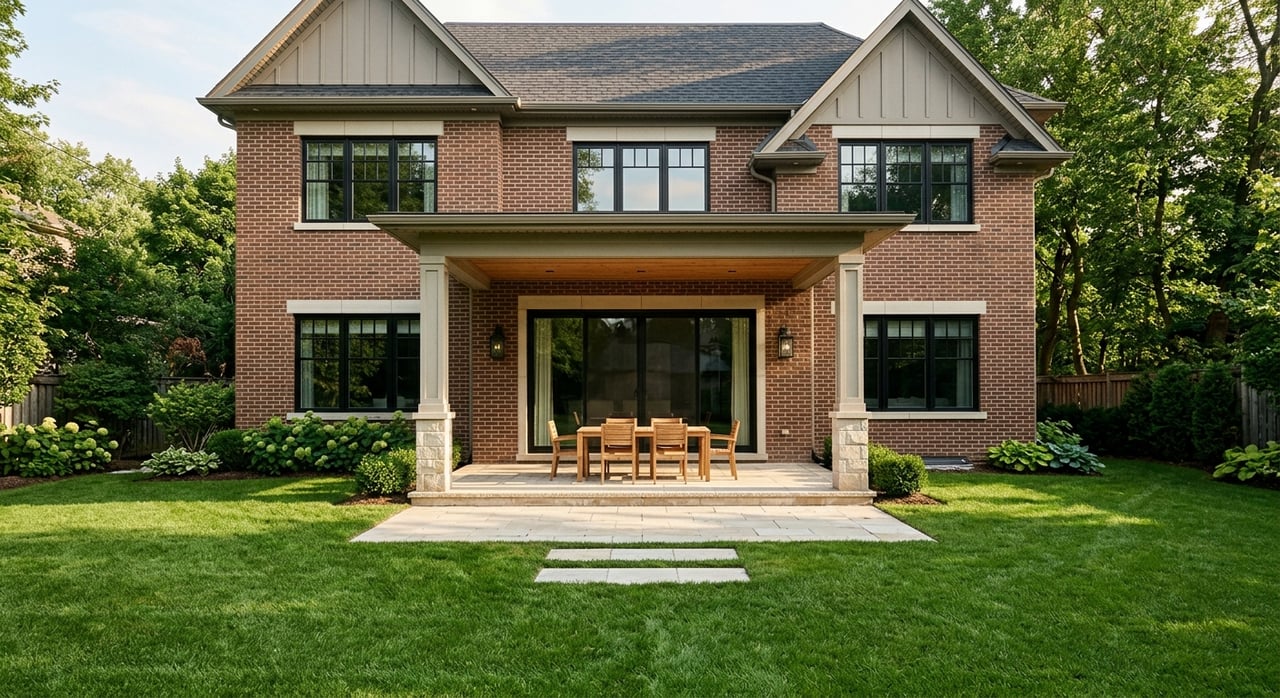
From a housing standpoint, Dyer reads as a predominantly owner-occupied, single-family community. Census QuickFacts shows a 90.0% owner-occupied housing rate. That alone helps frame the town’s overall residential character.
Town housing data adds to that picture. Dyer’s housing profile says 97% of housing permits from 2003 to 2023 were for single-family homes. NIRPC’s land-use profile also describes Dyer as having a suburban, subdivision-based pattern with curving streets and single-family homes.
What kind of homes you may find
Detached homes are the most common fit in Dyer, but there is still some variety in the market. Current listings show single-family houses, single-story homes, and townhomes. That means buyers may find both larger detached options and lower-maintenance choices depending on budget and goals.
Lot sizes are not one-size-fits-all. Current listing examples range from about 7,050 square feet to 0.29 acre, 0.51 acre, and even 3.23 acres. In practical terms, Dyer can offer anything from a more typical neighborhood lot to a much larger parcel with a different sense of space and privacy.
Key Dyer Numbers to Know
A few data points help round out the picture. According to the Census Bureau’s 2024 estimates, Dyer has a median household income of $101,183 and a median owner-occupied home value of $288,700. The mean travel time to work is 28.9 minutes.
Those figures support what many buyers notice when they start exploring the area. Dyer presents as a stable suburban town with commuter-friendly fundamentals, room to spread out, and a housing profile that leans heavily toward ownership.
Who Dyer May Fit Best
Dyer can make sense for buyers who want to trade a smaller footprint for more indoor and outdoor space. It can also appeal if you want a suburban setting with access to major highways and a growing rail connection to Chicago. That combination is especially relevant if your life or work spans both Illinois and Indiana.
If you are comparing Northwest Indiana towns, Dyer is worth considering for its balance of housing space, established parks, and regional access. It does not try to be a dense urban center. Instead, it offers a more spread-out residential environment with community life centered around parks and town events.
When I work with buyers making a Chicago-to-Northwest Indiana move, one of the biggest goals is finding the right tradeoff between daily comfort and long-term convenience. Dyer is often part of that conversation because it gives you practical access to the region while still delivering the space many buyers are after.
If you are thinking about a move to Dyer or comparing it with other Northwest Indiana communities, Maureen Burns can help you evaluate the lifestyle, housing options, and commute factors that matter most to you.
FAQs
How close is Dyer, Indiana, to Chicago?
- Official town materials place Dyer about 30 miles southeast of downtown Chicago, and South Shore Line estimates rail travel to Millennium Station at about 45 to 60 minutes depending on stops.
What type of housing is most common in Dyer, Indiana?
- Dyer is primarily a single-family, owner-occupied market, with Census data showing a 90.0% owner-occupied rate and town housing data showing 97% of permits from 2003 to 2023 were for single-family homes.
Does Dyer, Indiana, have train access to Chicago?
- Yes. The South Shore Line Monon Corridor began passenger service on March 31, 2026, and the Munster/Dyer Station is located at Main Street and Allison Road on the Munster and Dyer border.
What is everyday life like in Dyer, Indiana?
- Everyday life in Dyer is strongly tied to parks, recreation programming, and seasonal town events rather than a dense entertainment district.
Are there parks and outdoor amenities in Dyer, Indiana?
- Yes. Dyer’s parks system includes 21 parks covering 189 acres, with major community spaces such as Central Park and Pheasant Hills Park, plus a three-acre dog park at Central Park.
Are lot sizes in Dyer, Indiana, all the same?
- No. Current listing examples show a range from compact neighborhood lots to larger parcels, so buyers can find different levels of outdoor space depending on the property.