Imagine stepping outside to miles of lakefront trails, a free zoo, and streets lined with cafes and boutiques. If that sounds like your kind of everyday, Lincoln Park may be a perfect fit. Choosing the right neighborhood is about lifestyle first, then homes and numbers. In this guide, you’ll learn how daily life flows in Lincoln Park, what housing looks like, what it costs today, and how to get around with ease. Let’s dive in.
Lincoln Park at a glance
Lincoln Park sits on Chicago’s North Side with Diversey Parkway to the north, the Chicago River to the west, North Avenue to the south, and Lake Michigan to the east. This community area has about 70,500 residents and a highly educated, professional mix of households, according to the latest census-based summary. You get a “park-first” urban setting with tree-lined streets and easy access to the lakefront. For a quick neighborhood overview and boundaries, see the Lincoln Park community profile.
Lakefront parks shape your routine
The neighborhood’s daily rhythm centers on Lincoln Park, the long stretch of green space that runs along the lake. Within those acres you’ll find the Lincoln Park Conservatory, North Pond Nature Sanctuary, and the Alfred Caldwell Lily Pool. You can run or bike the Lakefront Trail, play on open fields, or relax near North Avenue Beach. Explore facilities and maps on the Chicago Park District’s Lincoln Park page.
A major bonus is the Lincoln Park Zoo, which is free and open year-round. It is a go-to for morning walks, seasonal lights, and special events. Check hours and programming on the zoo’s official site.
Weekend rhythms you can count on
When the weather warms up, Green City Market sets up at the south end of the park. Many neighbors plan Saturday mornings around fresh produce, coffee, and a slow stroll through the stalls. See locations and seasonality on the Green City Market listing.
If you like to stay active, you will find runners, cyclists, and paddleboarders out most weekends. The park’s fields and paths are ideal for small leagues and casual workouts. It is easy to build movement into your day here.
A sample active day
- Early run or ride on the Lakefront Trail
- Coffee and groceries at Green City Market (in season)
- A quiet hour at the Lily Pool or North Pond
- Boutique browsing on Armitage or Clark
- Dinner at a neighborhood spot along Lincoln Avenue
Dining, shopping, and culture
Lincoln Park’s everyday scene is lively without feeling overwhelming. You’ll find clusters of cafes, brunch spots, and boutiques along Lincoln Avenue, Clark Street, and Armitage Avenue, plus pockets along Halsted and Sheffield. The mix leans toward neighborhood dining and casual nights out. For culture close to home, you have the Chicago History Museum and several smaller theaters and music venues nearby. You can enjoy a full evening without going downtown.
Homes and buildings you will see
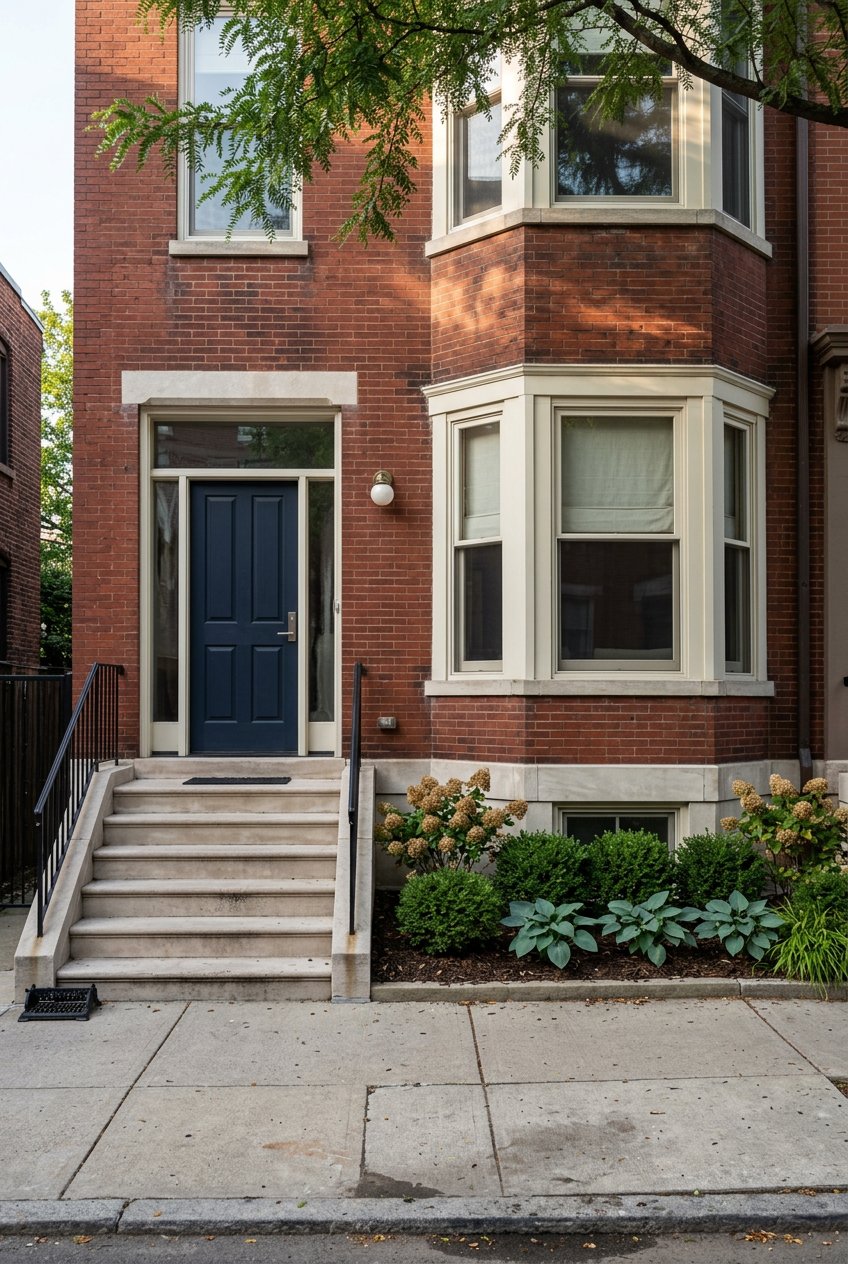
Walk a few blocks and you’ll notice how varied the architecture is. Classic greystones, two- and three-flats, and vintage walk-ups line quieter streets. There are townhouses and restored brownstones on select blocks. Closer to the lake, you’ll see newer mid-rise and luxury high-rise condominiums. The result is a neighborhood that blends Chicago character with modern amenities.
This variety supports a wide range of needs. You can look for a vintage condo near the park, a townhouse with private outdoor space, or a full-service condo building with views of the lake.
What it costs today
Lincoln Park carries a price premium compared with many Chicago neighborhoods, driven by location, park access, and housing quality.
- As of January 2026, Redfin reported a median sale price of about $750,000 in Lincoln Park, up roughly 8.7% year over year.
- Zillow’s neighborhood index during the same period placed typical home values near $620,000.
- Realtor.com’s late 2025 snapshot showed median rents in the low-to-mid $2,000s.
These figures change month to month, and the mix of condos, townhomes, and single-family homes will shift the median. Use these numbers as context, then pair them with current, block-level data when you are ready to move. If you want today’s pricing and a plan for your goals, reach out for a custom market brief.
Getting around: CTA, commute, and options
You have strong train access in and around central Lincoln Park. The Fullerton station serves the Red, Brown, and Purple lines and is a major transfer point near DePaul. The Armitage station serves the Brown Line, with Purple Express during peak hours. Explore service details at the Fullerton CTA page and the Armitage CTA page.
Many residents reach the Loop by train in about 20 to 30 minutes, depending on the line and time of day. Buses fill in the gaps along major corridors. Rideshares and bikes are easy backups for short trips.
Walkability and bikes
Lincoln Park scores high for walking and biking. Many daily errands, coffee runs, and park visits can be done on foot. The Lakefront Trail works for fitness and functional biking, especially in warmer months. For a quick view of neighborhood scores and what is within walking distance, see the Lincoln Park page on Walk Score.
Parking and daily logistics
Parking varies by block. You will find a mix of residential permit zones, metered streets, and paid garages. Many households keep a car but rely on a blend of transit, biking, and rideshare for day-to-day movement. Before you buy, it helps to test-drive your typical routes and confirm how guest parking works on your target block.
Who Lincoln Park fits
Lincoln Park tends to appeal if you value:
- Easy access to large parks and the lakefront
- Quick commutes by CTA with strong walkability
- A mix of vintage charm and newer condo options
- A lively dining and retail scene close to home
Common buyer profiles include move-up buyers seeking more space, professionals who want transit and park access, and investors focusing on established North Side locations. There is also steady housing demand near DePaul University. If any of these sound like you, the next step is to clarify your budget, timeline, and must-haves.
Smart buyer and renter tips
Older buildings are part of Lincoln Park’s charm. With that comes practical due diligence:
- If a home was built before 1978, ask about lead-based paint disclosures and inspections. Learn more from the CDC’s guidance.
- For condos and townhomes, review HOA budgets, reserves, and recent capital projects so you understand future costs.
- In vintage buildings, confirm electrical capacity, window condition, and any tuckpointing or roof work.
- If you are sensitive to noise or light, visit at different times of day and check proximity to train lines or busy corridors.
- Clarify parking, permit rules, and guest options before you sign or submit an offer.
How I can help
You deserve a clear plan and an advocate who knows the neighborhood block by block. When you work with me, you work directly with me from strategy to closing. I pair local market insight with hands-on guidance to help you time the market, price accurately, and negotiate with confidence. If you are weighing rent versus buy, upsizing within the neighborhood, or eyeing the lakefront, I can map options that fit your lifestyle and budget.
Ready to explore homes or get a custom pricing brief for Lincoln Park? Let’s talk about what you want, then build the path to get there with less stress and more clarity. Connect with Maureen Burns to get started.
FAQs
What is Lincoln Park known for in Chicago?
- Lincoln Park is known for its namesake park along Lake Michigan, the free Lincoln Park Zoo, and walkable streets with dining and boutiques, all within quick reach of the Loop. See the community overview for context.
How long is the commute from Lincoln Park to the Loop by train?
- Many riders reach the Loop in about 20 to 30 minutes, depending on the line and time of day. Check service details for the Fullerton station and Armitage station.
Are there free attractions in Lincoln Park?
- Yes. The Lincoln Park Zoo is free and open year-round, and the park itself offers the Conservatory, North Pond, and the Lily Pool for no cost. Explore details on the zoo’s site and the park district page.
What housing types are most common in Lincoln Park?
- You will see vintage greystones, two- and three-flats, classic walk-ups, townhouses, and newer mid-rise and high-rise condos near the lakefront, offering a wide range of options.
What are current home prices and rents in Lincoln Park?
- As of early 2026, public market snapshots showed a median sale price near $750,000 and typical values near $620,000, with median rents in the low-to-mid $2,000s. Use these as context and request a current local update before you decide.
Is parking difficult in Lincoln Park?
- Parking is limited on many blocks, with a mix of residential permits, meters, and garages. Many residents combine transit, rideshare, and biking for daily errands to simplify parking.